




The monsoon season brings much-needed relief from the scorching heat, but it also opens the door to a wide range of infections and illnesses. Waterlogging, humidity, and contaminated water sources create the perfect breeding ground for bacteria, viruses, and mosquitoes. Understanding Monsoon Diseases and Prevention Tips is essential for keeping yourself and your family safe during this season.
At Prachi Global Hospitals, we see a noticeable rise in seasonal illnesses every year once the rains begin. In this blog, we walk you through the most common monsoon-related health issues, their symptoms, and simple yet effective prevention strategies recommended by our medical experts.
During the rainy months, stagnant water accumulates in streets, drains, and even small containers around homes. This creates ideal conditions for Mosquito Breeding, while contaminated water supplies increase the risk of Waterborne Infections. Humidity also allows fungal and bacterial growth to thrive, making skin infections more common.
Children, elderly individuals, and people with weak immunity are particularly vulnerable during this time. Scheduling a seasonal check-up through our General Medicine Department can help identify any early symptoms before they develop into serious illness.
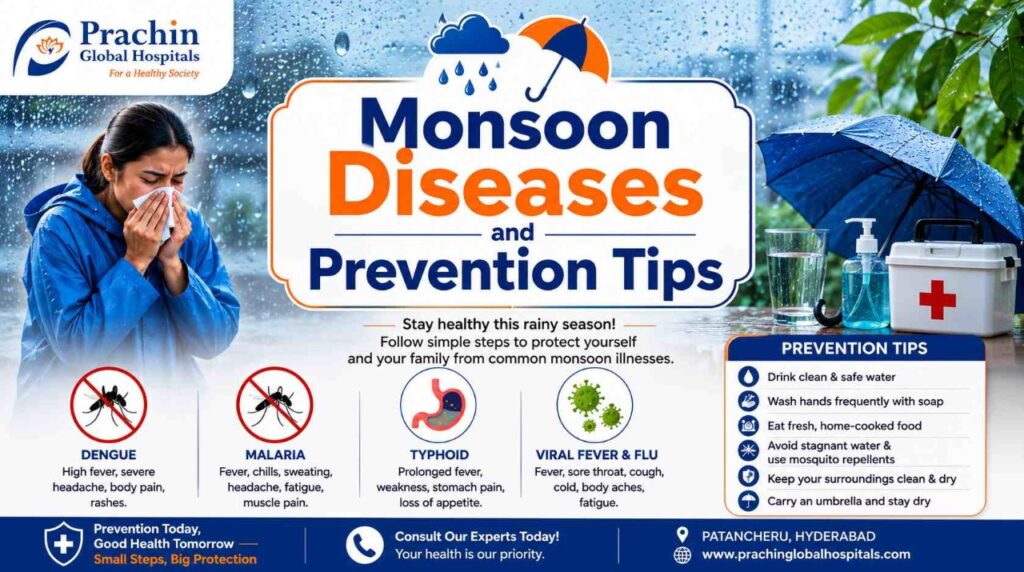
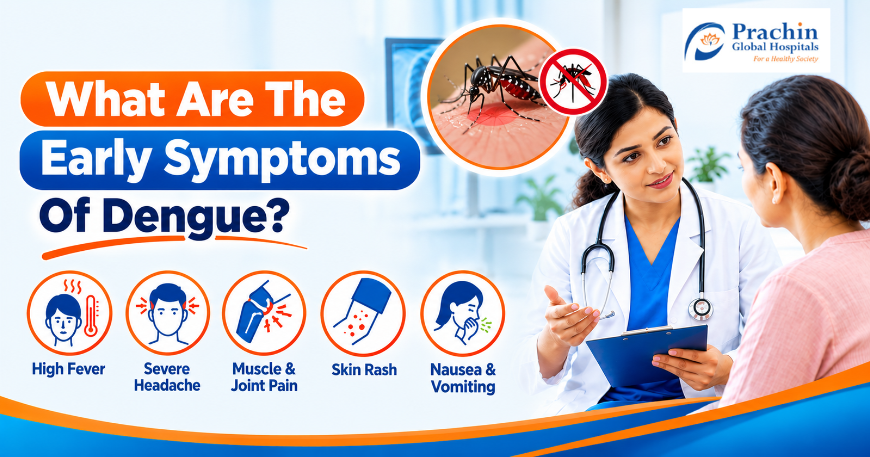
Mosquito-borne illnesses like Dengue and Malaria are among the most serious Monsoon Diseases. Symptoms typically include High Fever, joint pain, headache, and fatigue. Dengue can sometimes lead to complications such as low platelet count, so early diagnosis and treatment are critical.
Consuming contaminated food or water during the monsoon can lead to Typhoid and Cholera. Common symptoms include Persistent Fever, stomach pain, diarrhoea, and dehydration. These waterborne diseases spread quickly in areas with poor sanitation and require prompt medical attention.
The sudden shift in temperature and humidity levels weakens the immune system, making people more susceptible to Viral Fever, cold, and flu. Symptoms usually include body ache, sore throat, cough, and mild fever lasting a few days.
Excess moisture in the air during monsoon often leads to Fungal Infections, rashes, and itching, particularly in areas where skin folds trap moisture. Staying dry and maintaining proper hygiene can significantly reduce the risk of these infections.
Walking through contaminated floodwater can expose individuals to Leptospirosis, a bacterial infection spread through contact with water contaminated by animal urine. Symptoms include fever, muscle pain, and vomiting, and it requires immediate medical care if suspected.
Protecting yourself from Monsoon Diseases doesn’t have to be complicated. A few consistent habits can go a long way in keeping your family safe:
For families looking to strengthen their overall immunity before the season peaks, our Preventive Health Checkup Packages offer detailed screenings that can catch early warning signs of infection.
While mild symptoms like a slight cold or seasonal cough can often be managed at home, certain warning signs should never be ignored. Seek medical attention immediately if you or a family member experiences:
Our Emergency and Critical Care Services are available around the clock to provide immediate treatment for severe monsoon-related illnesses, ensuring you receive timely care when it matters most.
Beyond immediate prevention, building long-term resilience against Monsoon Diseases involves consistent lifestyle habits. Regular exercise, adequate sleep, proper hydration, and a nutrient-rich diet all contribute to a stronger immune system that can better fight off seasonal infections. Vaccinations, where applicable, and routine health screenings also play an important role in staying protected year after year.
At Prachin Global Hospitals, we provide comprehensive healthcare services to help patients stay healthy throughout every season. Our experienced doctors, advanced diagnostic facilities, and patient-centered approach ensure accurate diagnosis and effective treatment for monsoon-related illnesses.
Whether you need preventive health checkups, specialist consultations, emergency care, or treatment for seasonal infections, our dedicated medical team is committed to providing compassionate, high-quality healthcare. Patients across Patancheru, Hyderabad, and nearby areas trust us for timely and reliable medical care.
Following the right Monsoon Diseases And Prevention Tips can help protect you and your family from seasonal illnesses. Simple preventive measures, early diagnosis, and timely medical care are the key to staying healthy throughout the monsoon season.
Contact Us Today. Our experienced doctors are ready to provide timely diagnosis, effective treatment, and compassionate healthcare.
Following Monsoon Diseases and Prevention Tips such as maintaining hygiene, drinking clean water, and avoiding mosquito bites helps reduce seasonal infections.
Monsoon Diseases and Prevention Tips help protect against dengue, malaria, typhoid, viral fever, and other infections common during the rainy season.
If fever, vomiting, body pain, or dehydration persists, follow Monsoon Diseases and Prevention Tips and seek prompt medical care to avoid complications.
Monsoon Diseases and Prevention Tips include removing stagnant water, using mosquito repellents, and keeping your surroundings clean to reduce infection risks.
Practicing Monsoon Diseases and Prevention Tips like regular handwashing and eating hygienic food helps prevent bacterial and viral infections during the rainy season.
WhatsApp us