

Your heart works continuously to keep your body functioning, but what happens when something is wrong? Sometimes, the first signs of heart disease are subtle a little breathlessness after climbing stairs, unexplained fatigue, occasional chest discomfort, or a heartbeat that suddenly feels unusual. These symptoms may seem minor, but recognising them early can help you seek timely medical attention.
Knowing the top 10 early warning signs of heart disease can help you make informed decisions about your health. People with diabetes, high blood pressure, high cholesterol, a history of smoking, or a family history of cardiovascular disease should be particularly attentive to changes in their health. At Prachin Global Hospitals in Patancheru, Hyderabad, patients can enquire about cardiac consultations, diagnostic investigations, and available treatment services.
Heart disease does not present the same way in everyone. One person may experience chest pressure, while another may notice unusual tiredness or difficulty breathing. Some symptoms can even resemble acidity, stress, or common respiratory problems, making them easy to dismiss. Recognising these ten potential warning signs can help you understand when it may be time to consult a healthcare professional.
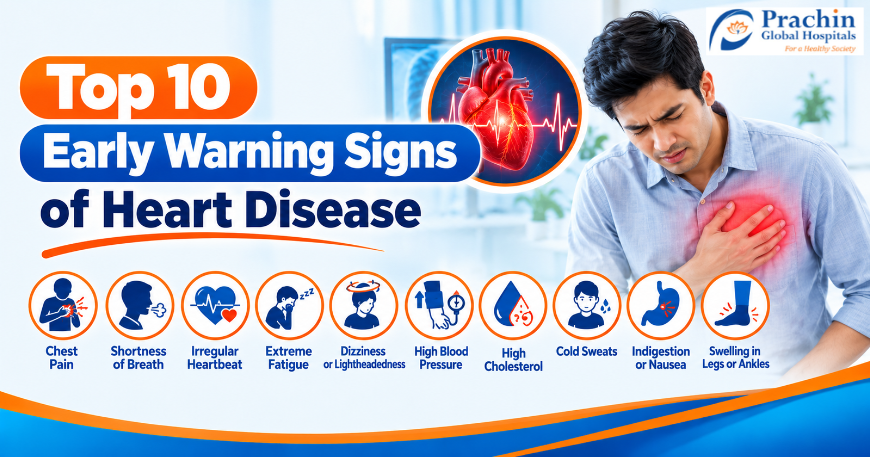
Chest discomfort is one of the most familiar warning signs of a possible heart problem. Rather than feeling like a sharp pain, it may resemble pressure, squeezing, heaviness, burning, or tightness in the chest. In coronary artery disease, this discomfort can occur when the heart muscle does not receive enough oxygen-rich blood. Symptoms may appear during exercise, emotional stress, or even while resting.
Finding yourself unusually breathless while walking, climbing stairs, or completing routine household tasks may be more than a sign of being out of shape. In some cases, breathlessness can indicate that the heart is struggling to pump blood efficiently. This may cause pressure to build up in the blood vessels of the lungs, making breathing difficult. Some people also experience discomfort while lying flat or wake up at night gasping for air.
Feeling tired after a busy day is normal, but persistent exhaustion without an obvious reason may warrant further investigation. You might feel drained despite getting enough sleep or notice that everyday activities require more effort than before. In some cases, unusual fatigue can accompany cardiovascular conditions, including heart failure, and may also occur during a heart attack.
Heart-related discomfort does not always stay in the chest. During a heart attack, pain or pressure may spread to one or both arms, the shoulders, upper back, neck, or jaw. This discomfort can sometimes be subtle, and a person may not experience obvious chest pain at all.
Does your heart sometimes feel as though it is racing, fluttering, skipping beats, or beating irregularly? These sensations are known as palpitations and may occasionally occur due to stress, caffeine, dehydration, or inadequate sleep. However, repeated or prolonged episodes can sometimes indicate an abnormal heart rhythm, medically known as an arrhythmia.
Feeling lightheaded or suddenly fainting can happen for several reasons, including dehydration, low blood pressure, or other medical conditions. However, certain cardiovascular problems and abnormal heart rhythms can temporarily reduce blood flow to the brain, resulting in dizziness or loss of consciousness.
Persistent swelling in the feet, ankles, or lower legs may develop when fluid accumulates in the body. This condition, called oedema, can sometimes occur when the heart is unable to pump blood effectively. You may notice that your shoes feel tighter, your ankles appear swollen, or your weight increases unexpectedly because of fluid retention.
A lingering cough may be caused by allergies, respiratory infections, or lung conditions. However, in some people with heart failure, fluid accumulation in the lungs can lead to a persistent cough, wheezing, or worsening breathlessness when lying down. Some individuals need extra pillows to sleep comfortably or wake suddenly at night struggling to breathe.
Not every heart attack begins with severe chest pain. Some people experience nausea, vomiting, upper abdominal discomfort, indigestion-like symptoms, or sudden cold sweating. These warning signs may be mistaken for digestive problems, especially when chest discomfort is mild or absent. Women, older adults, and people with diabetes may sometimes experience less typical heart attack symptoms.
If activities such as walking short distances, climbing stairs, or completing routine chores suddenly leave you exhausted, pay attention. A decline in exercise tolerance may occur when the heart cannot supply enough blood to meet the body’s needs during physical activity. However, anaemia, lung conditions, infections, and other health problems can cause similar symptoms.
Heart disease can affect people at different stages of life, but certain factors can increase the likelihood of developing cardiovascular problems. High blood pressure places additional strain on the heart and blood vessels, while high cholesterol can contribute to plaque buildup inside the arteries. Diabetes can increase the risk of coronary artery disease, and smoking or tobacco use can damage blood vessels and raise the risk of heart attacks.
Family history also matters, especially when a close relative developed heart disease at an early age. Physical inactivity and excess body weight may contribute to high blood pressure, unhealthy cholesterol levels, and diabetes. In addition, cardiovascular risk generally increases with age. Understanding the Top 10 Early Warning Signs of Heart Disease alongside these risk factors can help you recognise potential concerns and take preventive steps. Prachin Global Hospitals encourages individuals to prioritise regular health checkups, adopt heart-healthy habits, and seek appropriate medical advice to support long-term cardiovascular health.
Protecting your heart does not always require dramatic lifestyle changes. Small, sustainable improvements to your daily routine can make a meaningful difference to cardiovascular health. Consulting the Best Specialist Doctors in Hyderabad can also help you understand your personal risk factors and receive guidance suited to your health needs.
Choose heart-healthy foods. Build balanced meals around vegetables, fruits, whole grains, legumes, nuts, and other nutritious foods. Limit excess salt, trans fats, and highly processed foods.
Stay physically active. Regular movement supports circulation, cardiovascular fitness, and weight management. Choose activities that match your fitness level, and seek medical advice before strenuous exercise if you have heart-related symptoms or a diagnosed condition.
Monitor blood pressure and cholesterol. High blood pressure and elevated cholesterol can affect your cardiovascular health without causing noticeable symptoms. Follow recommended screening schedules and treatment advice.
Manage blood sugar levels. If you have diabetes, work with your healthcare team to maintain appropriate blood glucose levels and reduce the risk of related complications.
Avoid smoking and tobacco. Tobacco can damage blood vessels and increase cardiovascular risk. Quitting can improve your heart health and help reduce the likelihood of serious complications.
Maintain a healthy weight. Sustainable eating habits and regular physical activity can help manage weight and related risk factors, including high blood pressure and diabetes.
Prioritise sleep and stress management. Maintain a consistent sleep schedule and develop healthy ways to manage stress. These habits contribute to overall well-being and can support a heart-healthy lifestyle.
Attend regular health checkups. Preventive assessments can identify important risk factors before symptoms appear. Your healthcare professional can recommend appropriate tests and screening intervals based on your age, medical history, and individual risk profile.
When you notice a possible heart-related symptom, getting an appropriate medical assessment can help identify the cause and determine the next steps. Your healthcare professional may review your symptoms, family history, medications, and existing medical conditions before recommending suitable investigations.
Prachin Global Hospitals, located in Patancheru, Hyderabad, provides a range of healthcare services. Patients can enquire about cardiac care, medical consultations, diagnostic investigations, emergency and critical care, intensive care facilities, and preventive health checkups. Depending on your symptoms and clinical assessment, your doctor may recommend investigations such as:
Electrocardiogram (ECG): Records the heart’s electrical activity and can help identify certain rhythm abnormalities and other cardiac concerns.
Blood tests: Help assess specific markers or health conditions associated with heart problems. Tests are selected according to the suspected diagnosis.
Echocardiogram: Uses ultrasound to examine the heart’s structure, movement, and pumping function.
Additional cardiac investigations: Depending on your symptoms and initial findings, your doctor may recommend further tests to investigate the underlying cause.
Your heart may give you warning signs before a serious problem develops, but those signs are not always easy to recognise.
Noticing possible heart symptoms? Contact us to enquire about cardiac consultations and heart health checkups in Patancheru, Hyderabad.
Chest pain, breathlessness, fatigue, irregular heartbeat, dizziness, fainting, leg swelling, cough, nausea, and reduced exercise tolerance are common warning signs.
Yes, heart disease can develop silently without noticeable symptoms. Regular checkups help identify risks early.
Consult a doctor for unusual fatigue, recurring palpitations, or breathlessness. Sudden chest pain requires emergency medical attention.
People with diabetes, high blood pressure, high cholesterol, obesity, or a family history have a higher risk.
Eat a balanced diet, exercise regularly, avoid smoking, manage stress, and monitor blood pressure and cholesterol.
WhatsApp us