







Almost everyone experiences a headache at some point in life, but not every headache is the same. Many people use the terms “Migraine” and “Headache” interchangeably, assuming they mean the same thing. However, these are two distinct conditions with different causes, symptoms, and treatment approaches. Neurologist Consultation Understanding the difference between a Migraine and a Headache is essential for getting the right diagnosis and effective relief.
At Prachin Global Hospital, our team of experienced neurologists helps patients identify the type of head pain they are experiencing and provides personalized treatment plans to manage it effectively. In this blog, we break down the key differences between Migraine and Headache, their symptoms, causes, and when you should consult a doctor.
A Headache is a general term used to describe any pain or discomfort in the head, scalp, or neck region. It is one of the most common health complaints and can range from mild to moderate in intensity. Migraine vs Headache: What’s the Difference? Headaches are usually classified into two categories: primary headaches (not caused by an underlying disease) and secondary headaches (triggered by another medical condition such as sinus infection, dehydration, or high blood pressure).
Common Types of Headaches:
Most headaches are short-lived and can be managed with rest, hydration, and over-the-counter pain relief. However, frequent or severe headaches should never be ignored, as they may indicate an underlying issue that needs medical attention.
A Migraine, on the other hand, is a neurological condition, not just a symptom. It is far more intense and debilitating than a typical headache and often comes with additional symptoms that affect daily functioning. Migraine vs Headache: What’s the Difference? Migraines are thought to result from abnormal brain activity that temporarily affects nerve signals, chemicals, and blood vessels in the brain.
Key Symptoms of Migraine:
Unlike a standard headache, a migraine can significantly disrupt a person’s ability to work, study, or carry out daily activities. Migraine vs Headache: What’s the Difference? Many people also experience warning signs, known as the “Prodrome Phase,” a day or two before the actual migraine attack begins, including mood changes, food cravings, or neck stiffness.
While both conditions involve pain in the head, understanding their distinct characteristics can help you identify which one you are experiencing.
If you find yourself frequently unable to distinguish between the two or experiencing recurring episodes, it is advisable to consult our specialists at the Neurology Department for a proper diagnosis.
While occasional headaches are usually harmless, certain warning signs indicate the need for immediate medical attention: Migraine vs Headache: What’s the Difference?
These symptoms could point to more serious underlying conditions, and timely evaluation is crucial. Our team also provides comprehensive diagnostic support through ensuring accurate identification of the root cause behind persistent head pain
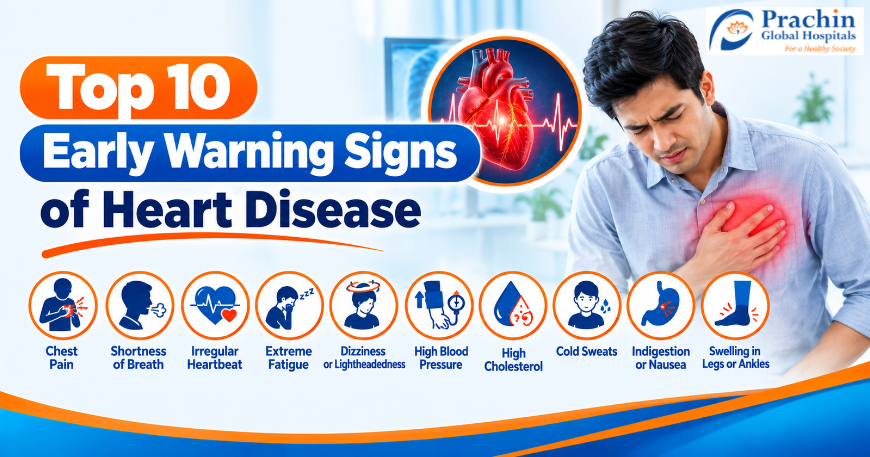
Recognizing the Difference Between Heart Attack and Cardiac Arrest can help you respond appropriately in an emergency situation.
In Case of a Heart Attack:
In Case of Cardiac Arrest:
Every second counts in both situations, and immediate action can significantly improve the chances of survival. Our multi-speciality hospital, recognized as one of the Best Super Speciality Hospitals in Patancheru, is always ready to provide rapid emergency response for cardiac events.
Treatment approaches differ significantly depending on the diagnosis:
For Headaches:
For Migraines:
At Prachin Global Hospital, our neurologists conduct a thorough evaluation, including a detailed medical history and, if needed, imaging tests, to accurately diagnose the type of head pain and design a treatment plan tailored to your needs. Migraine vs Headache: What’s the Difference? You can also explore our General Health Checkup Packages to monitor overall wellness, as chronic head pain is sometimes linked to broader health factors like blood pressure.
Book your consultation with our Neurology experts today and take the first step toward a pain-free life.The specialists at Prachin Global Hospital are equipped with the latest diagnostic tools and treatment protocols to identify the exact cause of your pain and provide lasting relief.
Call us now or visit Prachin Global Hospital to schedule your appointment. Your health and comfort are our top priority.
Migraines often cause nausea, light sensitivity, and throbbing pain. Understanding migraine vs headache: what's the difference helps you choose the right treatment.
A regular headache can last from 30 minutes to a few hours. Learning about migraine vs headache: what's the difference makes it easier to track your symptoms.
Yes, stress is a common trigger for both. However, migraine vs headache: what's the difference also depends on intensity, duration, and accompanying symptoms.
Yes, migraines often cause pain on one side of the head. This is one of the clearest signs in migraine vs headache: what's the difference.
Usually not, tension headaches are milder and manageable. Migraine vs headache: what's the difference often comes down to how much each disrupts daily life.
WhatsApp us