








Diabetes is one of the most common long-term health conditions affecting people worldwide. It occurs when the body cannot produce enough insulin or use insulin effectively, resulting in elevated blood glucose levels. Without proper management, diabetes can affect several organs, including the heart, kidneys, eyes and nerves.
Understanding the Common Diabetes Symptoms, Causes, and Management Tips can help individuals recognise early warning signs and take appropriate steps towards better health. Although diabetes can develop gradually, identifying symptoms early and receiving medical guidance can help reduce the risk of complications.
Whether you are experiencing unusual thirst, frequent urination or unexplained weight changes, understanding these symptoms is an important part of protecting your health. At Prachin Global Hospitals, awareness of diabetes, timely diagnosis and appropriate medical care are important aspects of long-term health management.
Diabetes mellitus is a metabolic condition characterised by consistently high blood glucose levels. Glucose is the body’s primary source of energy, and insulin, a hormone produced by the pancreas, helps glucose enter the body’s cells.
When insulin production is insufficient or the body cannot use it properly, glucose builds up in the bloodstream. There are three major types of diabetes:
Type 1 diabetes is an autoimmune condition in which the immune system attacks the insulin-producing cells in the pancreas. People with this condition require insulin therapy to manage their blood glucose levels.
Type 2 diabetes develops when the body becomes resistant to insulin or does not produce enough insulin to maintain normal blood glucose levels. It is the most common form of diabetes and is often associated with genetic factors, excess body weight and lifestyle-related risks.
Gestational diabetes develops during pregnancy when hormonal changes affect the body’s ability to regulate blood sugar. Proper monitoring and medical care are important for protecting both the mother and baby.
Recognising early symptoms can help individuals seek medical attention before complications develop. Although symptoms may vary, some common signs include. Consulting specialists in General Medicine & Diabetology can help individuals identify symptoms, undergo appropriate evaluations and receive timely medical guidance.
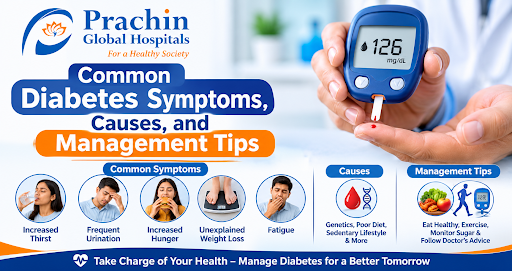
Excess glucose in the bloodstream causes the kidneys to work harder to remove the additional sugar through urine. This can lead to frequent urination, particularly at night.
Frequent urination can cause the body to lose more fluids, resulting in dehydration and persistent thirst. Drinking water frequently without feeling satisfied may be an early warning sign.
People with diabetes may experience unusual hunger because their body’s cells cannot use glucose effectively for energy. This can result in increased appetite even after eating regular meals.
Sudden or unexplained weight loss can occur when the body starts using stored fat and muscle for energy because glucose is not being utilised properly.
High blood sugar levels can affect how the body uses energy. Individuals may experience persistent fatigue, reduced concentration and general weakness.
High glucose levels can affect the fluid balance in the eyes, temporarily changing the shape of the eye lens and causing blurred vision. Persistent vision changes require medical evaluation.
People with uncontrolled diabetes may experience delayed wound healing due to changes in blood circulation, immune function and nerve health. Even small cuts or injuries should be monitored carefully.
Prolonged high blood sugar can damage nerves, particularly in the feet and hands. This may cause burning sensations, tingling, numbness or pain.
If you notice these symptoms, consult a healthcare professional for proper evaluation and blood glucose testing.
Diabetes can develop due to a combination of genetic, hormonal, autoimmune and lifestyle-related factors. Understanding these risk factors can help individuals take preventive steps.
Having parents or close family members with diabetes can increase the likelihood of developing the condition, particularly type 2 diabetes.
Regular consumption of highly processed foods, sugary beverages and calorie-dense meals may contribute to excess body weight and insulin resistance.
A sedentary lifestyle can reduce insulin sensitivity and increase the risk of developing type 2 diabetes. Regular movement helps the body use glucose more effectively.
Excess body fat, particularly around the abdomen, is associated with increased insulin resistance and a higher risk of type 2 diabetes.
The risk of type 2 diabetes can increase with age. Hormonal changes and certain medical conditions may also affect glucose regulation.
Women who have experienced gestational diabetes have a higher risk of developing type 2 diabetes later in life and may benefit from regular screening.
Although diabetes requires ongoing attention, appropriate lifestyle changes and medical guidance can help individuals maintain healthier blood glucose levels.
Choose nutritious foods that support stable blood glucose levels. Include vegetables, whole grains, pulses, lean protein and fibre-rich foods in daily meals.
Limit sugary drinks, processed snacks and foods containing excessive added sugar. Portion control is equally important.
Physical activity helps improve insulin sensitivity and supports blood glucose management. Activities such as walking, cycling, swimming and light strength training can be beneficial.
Aim for at least 150 minutes of moderate-intensity physical activity each week, if appropriate for your health condition and as advised by your healthcare professional.
Regular blood glucose monitoring helps individuals understand how food, physical activity and medication affect their sugar levels.
Doctors may recommend fasting blood glucose, post-meal glucose testing and HbA1c assessments based on individual requirements.
Managing body weight can improve insulin sensitivity and support better diabetes control. Focus on sustainable dietary habits and regular exercise instead of restrictive or unverified weight-loss methods.
Some individuals may require oral medications, insulin or other prescribed treatments. Follow your doctor’s instructions and avoid changing medication doses without medical advice.
Poor sleep can affect hormones involved in appetite and blood glucose regulation. Maintaining a consistent sleep schedule and getting sufficient rest can support overall health.
Long-term stress may affect blood glucose levels through hormonal changes. Relaxation techniques, meditation, breathing exercises and enjoyable activities can help support emotional well-being.
Early diagnosis helps individuals understand their blood glucose levels and begin appropriate management. Doctors may recommend different tests depending on symptoms, risk factors and medical history.
Common diagnostic tests include:
For many non-pregnant adults, diabetes can be diagnosed using an HbA1c level of 6.5% or higher, fasting plasma glucose of 126 mg/dL or higher, or two-hour glucose of 200 mg/dL or higher during an oral glucose tolerance test. Confirmation is generally required unless there is clear evidence of diabetes.
Diabetes may develop without noticeable symptoms, especially during its early stages. Regular screening helps identify elevated blood glucose levels before serious complications occur.
Screening is particularly important for individuals with a family history of diabetes, excess body weight, high blood pressure, previous gestational diabetes or other risk factors.
People diagnosed with diabetes should also undergo regular assessments of kidney function, eye health, blood pressure, cholesterol and foot health. Understanding the Common Diabetes Symptoms, Causes, and Management Tips allows individuals to make informed decisions about screening, treatment and everyday health habits.
Managing diabetes requires accurate diagnosis, personalised medical guidance and consistent follow-up. Patients may benefit from consultations with specialists in General Medicine and Diabetology and Endocrinology for the evaluation of blood sugar and related metabolic conditions.
Prachin Global Hospitals provides healthcare services supported by medical consultations and diagnostic facilities. Its diabetic health check-up package includes investigations such as fasting and post-meal blood glucose, HbA1c, kidney-related tests and lipid profile, along with physician and diabetologist consultations.
Early diagnosis, a balanced diet, regular exercise and proper treatment can help manage diabetes and prevent complications. Prachin Global Hospitals encourages regular health check-ups and expert medical guidance for better long-term health.
Frequent urination, increased thirst, unusual hunger, fatigue, blurred vision and unexplained weight loss are common early symptoms.
Genetics, insulin resistance, excess body weight, unhealthy eating habits and physical inactivity can increase the risk of type 2 diabetes.
Some people with type 2 diabetes may manage their condition through lifestyle changes, but others require medication. Treatment depends on individual medical needs.
Common tests include fasting blood glucose, HbA1c, oral glucose tolerance and random blood glucose tests.
The frequency depends on the type of diabetes, treatment plan and individual health needs. Follow your doctor's monitoring recommendations.
WhatsApp us